
Everest Base Camp with Gokyo Lake Trek: Is the 15-Day Route Worth It?
14th Aug, 2026
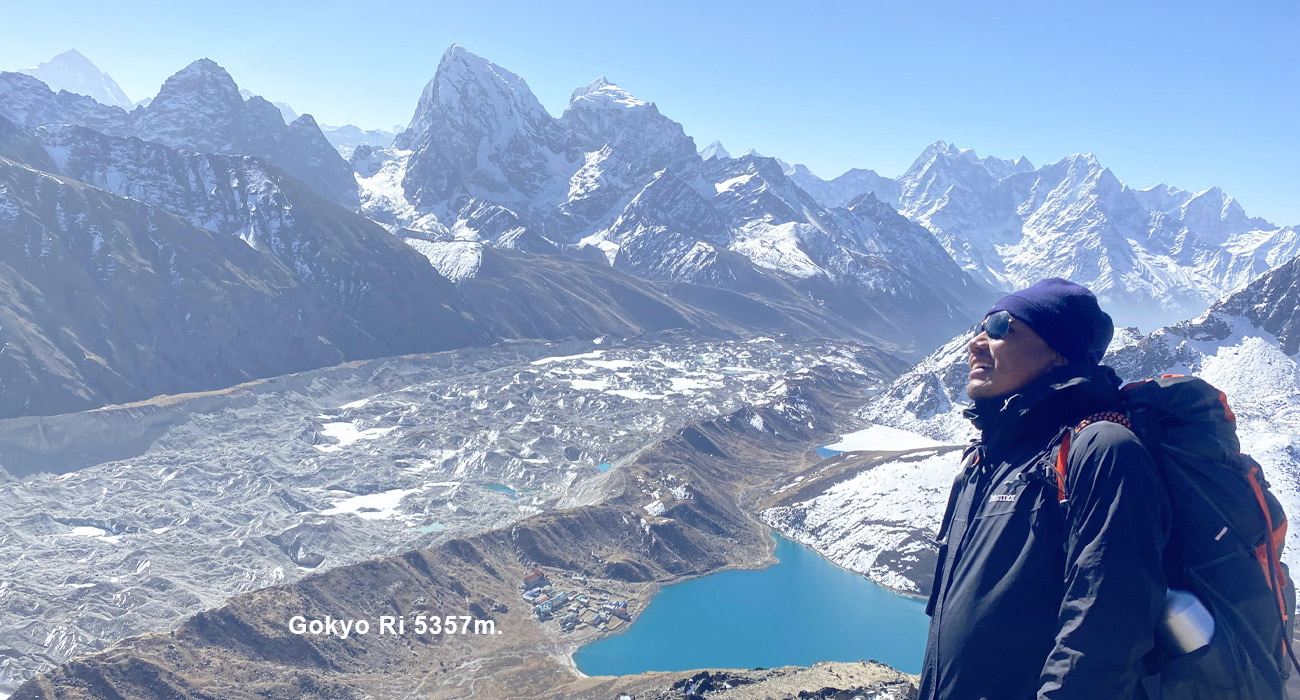
A lot of trekkers land on this trek after already comparing the standard Everest Base Camp itinerary and feeling like something's missing. Base Camp itself, if we're honest, isn't particularly scenic — it's the journey there that matters, and the classic route only shows you one side of the Khumbu. The Everest Base Camp with Gokyo Lake Trek fixes that by adding the Gokyo Valley and its lakes into the same trip, usually over about 15 days, with Cho La Pass linking the two halves together.
Table of Contents
This guide lays out what that actually means on the ground: the route, the extra difficulty Cho La adds, how it compares to standard EBC, and the planning details — permits, seasons, acclimatisation — that decide whether your trip goes smoothly or not.
What This Trek Actually Combines
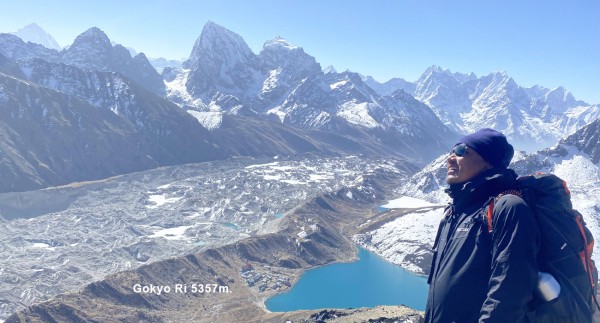
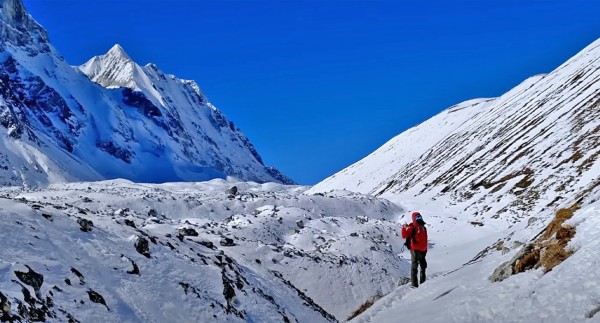
At its core, this itinerary merges two separate treks into one continuous route: the classic Everest Base Camp trail and the Gokyo Lakes trek, connected by Cho La Pass, sitting at roughly 5,420 metres. Instead of choosing one or the other, you get both — Everest Base Camp and Kala Patthar on one side, and the turquoise Gokyo Lakes with a climb up Gokyo Ri on the other.
Some itineraries do Gokyo first and cross Cho La into the Khumbu valley toward Base Camp; others do it the reverse way, visiting Base Camp first and finishing at Gokyo. Both directions work, and the choice usually comes down to your operator's acclimatisation plan rather than one route being definitively better. We'll come back to that trade-off below.
Who Should Consider This Trek
This route suits trekkers who:
- Have done some multi-day hiking before, even if not necessarily at high altitude
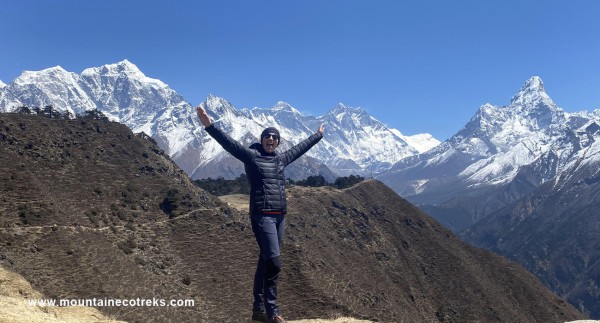
- Want more from their Everest trip than the Base Camp photo — the Gokyo Valley is genuinely one of the quieter, more scenic corners of the Khumbu
- Are comfortable with one demanding pass-crossing day, even without prior technical experience
- Have around two weeks to commit, plus a few spare days for flight delays
It's a step up from standard EBC but noticeably more approachable than the full Everest Three High Passes Trek, which adds two more passes on top of Cho La. If you're short on time or new to trekking altogether, the standard Everest Base Camp Trek alone is still a complete, rewarding trip. If you want the harder, longer version with all three passes, that's a separate itinerary worth discussing with your operator.
Everest Base Camp with Gokyo Lake Trek Route and Itinerary
A typical 15-day version of this trek runs roughly as follows, though exact overnight stops vary between operators:
Day 1 : Arrival in Kathmandu | Elevation: 1,400 m
Day 2 : Fly to Lukla (Direct or via Manthali) & Trek to Phakding | Elevation: 2,610 m | Distance: 8 km | Time: 3–4 hrs
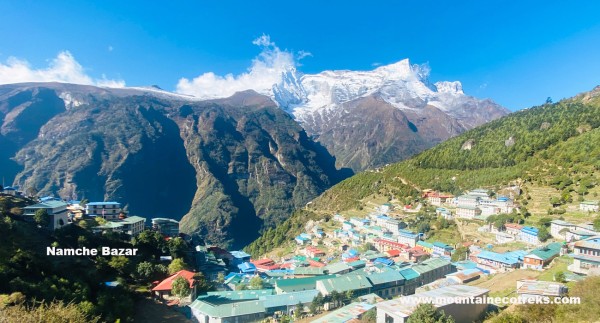
Day 3 : Trek to Namche Bazaar | Elevation: 3,440 m | Distance: 10.5 km | Time: 5–6 hrs
Day 4 : Acclimatization in Namche Bazaar | Elevation: 3,440 m
Day 5 : Trek to Tengboche Monastery | Elevation: 3,860 m | Distance: 11 km | Time: 5–6 hrs
Day 6 : Trek to Dingboche | Elevation: 4,410 m | Distance: 10.5 km | Time: 5–6 hrs
Day 7 : Acclimatization Day at Dingboche | Elevation: 4,410 m
Day 8 : Trek to Lobuche | Elevation: 4,940 m | Distance: 7.6 km | Time: 4–5 hrs
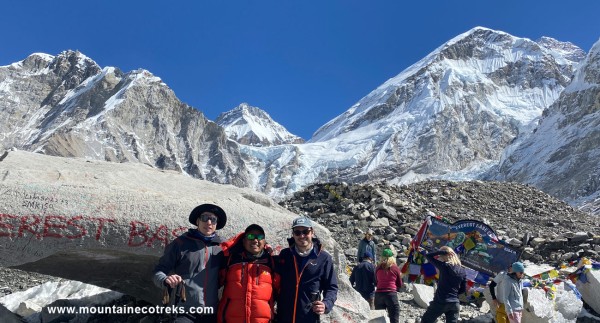
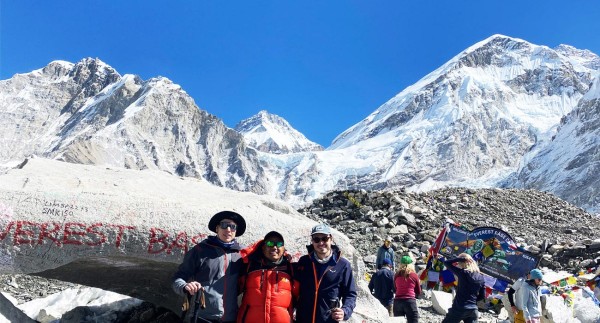
Day 9 : Trek to Gorakshep & Everest Base Camp | Elevation: 5,164 m / 5,364 m | Distance: 11.2 km | Time: 7–8 hrs
Day 10 : Hike to Kala Patthar & Trek to Zongla | Elevation: 5,545 m / 4,830 m | Distance: 13.5 km | Time: 7 hrs
Day 11 : Trek to Gokyo via Cho La Pass & Thagnak | Elevation: 5,420 m / 4,790 m | Distance: 19 km | Time: 8–10 hrs
Day 12 : Hike Gokyo Ri & Trek to Dole | Elevation: 5,357 m / 4,038 m | Distance: 13 km | Time: 6–7 hrs
Day 13 : Trek to Namche Bazaar | Elevation: 3,440 m | Distance: 12 km | Time: 6–7 hrs
Day 14 : Trek to Lukla | Elevation: 2,860 m | Distance: 19 km | Time: 6–7 hrs
Day 15 : Fly to Kathmandu | Elevation: 1,400 m | Time: 30–40 min flight + up to 4–5 hr drive (if via Manthali)
Some itineraries do this in the opposite order, visiting Base Camp first and finishing at Gokyo. Either way, confirm the specific day-by-day breakdown with your operator, since acclimatisation stops and buffer days differ from one company to the next.
Accommodation Along the Route
Teahouses are the standard throughout, and this trek follows well-established trails, so lodges are generally reliable at every stop. Namche and Gokyo have the best range — some rooms with attached bathrooms, better food, and occasionally hot showers for a fee. Above Dzongla and around Gorak Shep, expect basic rooms, shared facilities, and limited heating, so a warm sleeping bag matters more here than lower down.
Everest Base Camp with Gokyo Lake Trek Foods
Standard Khumbu teahouse menus apply — dal bhat, noodles, soups, porridge, and simple Western dishes like pasta near the busier villages. Dal bhat remains the practical choice at altitude, since it's cooked fresh and usually refillable. Expect fewer options and higher prices the further you get from Namche, and particularly limited menus around Dzongla, given everything is carried in on foot or by yak.
Getting There
The trek starts and ends with a flight between Kathmandu and Lukla, sometimes routed via Manthali during the busier spring and autumn seasons when Lukla traffic is managed through Ramechhap airport instead. These flights are weather-dependent and can be delayed, so we'd always suggest building at least one buffer day into your return schedule rather than booking an international flight home for the same day you land in Kathmandu.
Trek Difficulty: How It Compares to Standard EBC
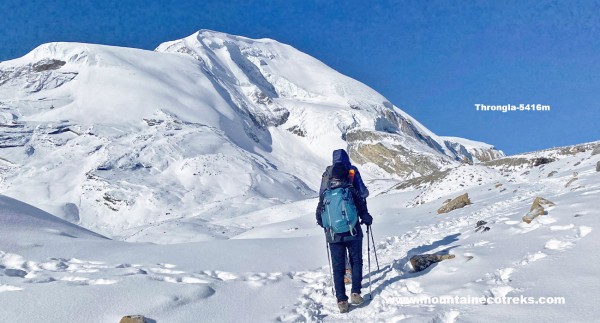
Standard Everest Base Camp is a long, strenuous walk on established trails with no technical sections. This trek follows much of that same trail but adds real difficulty in one specific place: Cho La Pass.
Crossing Cho La typically means:
- An early start, often before sunrise, to cross while conditions are more stable
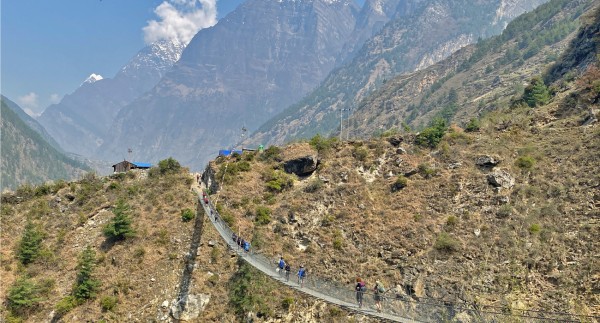
- Walking across glacier moraine and loose rock, with sections of snow or ice depending on the season
- A longer, more physically demanding day than anything on the standard EBC route
- Limited options to turn back partway through the crossing
Outside of Cho La day, the rest of the trek is comparable in effort to standard EBC — long uphill days, but nothing technical. Most reasonably fit trekkers with some hiking background manage it without prior climbing experience, though microspikes are often recommended for the pass and a guide familiar with current conditions makes a real difference here.
Everest Base Camp with Gokyo Lake Trek Altitude and Acclimatisation
You'll spend several nights above 4,000 metres, cross Cho La above 5,300 metres, and reach Kala Patthar at around 5,545 metres — the highest point of the trek. Altitude sickness is a genuine risk on this route and isn't something fitness alone protects you from.
A few points worth knowing before you go:
- Built-in acclimatisation days, usually at Namche and Gokyo, are essential, not optional padding — this is one of the more common places trekkers cut corners to save time.
- The "climb high, sleep low" approach applies here too, and a well-built itinerary uses side hikes to support it.
- Diamox is commonly carried by trekkers as a preventive measure, but this should be discussed with a doctor before departure rather than decided on the trail.
- Any symptoms — headache, nausea, poor sleep — should be reported to your guide straight away rather than pushed through.
For more detail on how acclimatisation works across a Khumbu itinerary, see our altitude sickness guide.
Everest Base Camp with Gokyo Lake Trek Best Seasons and Weather
Spring (March to May) and autumn (late September to November) are the established windows for this trek. Autumn typically brings the clearest visibility right after the monsoon; spring offers milder lower-valley trekking and rhododendron blooms, though the Cho La crossing and Gokyo side can still be cold regardless of season.
Winter is possible for well-prepared trekkers, but snow on Cho La adds real difficulty and can occasionally force a delay or reroute. Monsoon months (June to September) are best avoided — not just for rain, but for the cloud cover that blocks the mountain views this trek is built around.
Even in the recommended seasons, weather at altitude is unpredictable. A good itinerary includes at least one buffer day specifically for a delayed Cho La crossing, so a bad-weather day doesn't put your flight home at risk.
What to Pack for Everest Base Camp with Gokyo Lake Trek
Beyond the standard trekking essentials, a few items matter more on this specific route:
- A four-season sleeping bag, since nights around Gokyo and Dzongla get well below freezing
- Sturdy trekking boots with good grip for the loose, rocky terrain on Cho La
- Trekking poles, genuinely useful on both the ascent and the steep descent off the pass
- Microspikes, often provided or recommended by operators depending on current snow conditions
- A headlamp for early starts on pass-crossing day
- Strong sun protection — glacier glare around Gokyo and Cho La is intense even in cool weather
Check with your operator for a season-specific packing list, since exact recommendations shift depending on when you're travelling.
Everest Base Camp with Gokyo Lake Trek Permits Required
Trekking in this region requires two permits: the Sagarmatha National Park entry permit and the Khumbu Pasang Lhamu Rural Municipality permit. A TIMS card is not required in the Khumbu, as it was replaced by the local municipality permit. A licensed guide is also a legal requirement for foreign trekkers here. Permit fees are updated periodically, so confirm current costs with your operator or the Nepal Tourism Board before you travel rather than relying on older published figures.
Everest Base Camp with Gokyo Lake Trek Guides and Porters
Given the technical demands of Cho La, we don't recommend this route without a guide, and current regulations require one for foreign trekkers in the Khumbu regardless. An experienced guide will judge the pass conditions on the day and adjust timing if needed. Porters are optional but worth considering on a trek this length — 15 days of carrying a full pack, including over a high pass, adds noticeable strain that a lighter daypack avoids.
Everest Base Camp with Gokyo Lake Trek Safety Considerations
The main risks on this trek are altitude illness, weather exposure on Cho La, and the loose, uneven terrain around the pass itself. Mobile signal is inconsistent in places, though most teahouses offer paid WiFi. Comprehensive travel insurance covering high-altitude trekking and helicopter evacuation is essential — check your policy's altitude limit specifically, since many standard policies cap out below what this trek reaches.
Responsible Tourism in the Khumbu
The Khumbu is a UNESCO World Heritage Site and home to Sherpa communities whose income depends heavily on trekking. Stick to marked trails to protect fragile alpine ground, carry out any rubbish, use refill stations instead of buying bottled water where available, and be respectful photographing monasteries and local ceremonies. Booking with operators who pay fair wages to guides and porters also keeps more of the trip's value within the local economy.
Cost Factors to Consider
Pricing depends on itinerary length, whether porters are included, group size, teahouse standard, and Lukla flight costs, which rise during peak booking periods. Because this trek runs longer than standard EBC, expect a higher overall cost — mainly from the extra trekking days, permits, and guide fees rather than any single line item. Ask your operator for a clear breakdown of what's included versus what you'll cover on the trail yourself, such as charging, hot showers, and WiFi.
Common Mistakes to Avoid
- Treating Cho La as just another walking day. It's the hardest single day of the trek and deserves proper preparation and an early start.
- Skipping acclimatisation days to save time. This is the most common cause of altitude problems on this route.
- Booking a trip with no weather buffer. One delayed pass crossing shouldn't threaten your international flight home.
- Underestimating gear needs for the pass. Even in "warm" seasons, Cho La mornings are genuinely cold and can be icy underfoot.
- Assuming the direction of travel doesn't matter. Doing Gokyo first versus Base Camp first changes your acclimatisation profile — discuss this with your operator rather than picking arbitrarily.
Everest Base Camp with Gokyo Lake vs Standard EBC vs the Three High Passes Trek
If you're weighing your options: standard EBC is shorter, simpler, and doesn't involve any pass crossing — a good fit if time or experience is limited. This 15-day route adds the Gokyo Valley and one serious pass day, giving you considerably more of the Khumbu for a moderate jump in difficulty and length. The full Everest Three High Passes Trek goes further still, adding two more passes on top of Cho La for trekkers who want the most complete — and most demanding — version of this region. For most trekkers who want more than the standard route without committing to the hardest version available, this Gokyo-EBC combination hits a practical middle ground.
Planning Your Trek
If this route sounds like the right balance of scenery and challenge for you, our team has guided trekkers through the Khumbu for years and can talk you through realistic timing, current trail conditions, and how to pace the itinerary for your fitness level. Take a look at our Everest Base Camp with Gokyo Lake Trek itinerary, or get in touch if you'd like help deciding between this route and a shorter or longer alternative.
Frequently Asked Questions
1. How many days does the Everest Base Camp with Gokyo Lake Trek take?
Most itineraries run around 15 days, including acclimatisation days at Namche and Gokyo, though this varies slightly by operator and route direction.
2. Is this trek harder than standard Everest Base Camp?
Yes, mainly because of the Cho La Pass crossing, which adds a demanding day of glacier moraine and rocky terrain not found on the standard EBC route.
3. Do I need prior trekking experience?
It helps but isn't strictly required. Reasonable fitness and some multi-day hiking experience make the Cho La day noticeably more manageable.
4. Should I visit Gokyo or Everest Base Camp first?
Both directions are used by different operators. Some prefer Gokyo first to see it during a less crowded, slower ascent phase; others do Base Camp first following the classic route. Either can work with the right acclimatisation plan.
5. What is the highest point on this trek?
Kala Patthar, at around 5,545 metres, is typically the highest point reached, just above the elevation of Cho La Pass itself.
6. Do I need technical climbing gear for Cho La Pass?
No formal climbing skills are required in normal conditions, though microspikes are commonly used, and guides may carry a rope for added safety if the pass is icy.
7. What permits are needed for this trek?
A Sagarmatha National Park entry permit and a Khumbu Pasang Lhamu Rural Municipality permit are required. TIMS is not needed in this region, and a licensed guide is mandatory for foreign trekkers.
8. When is the best time for this trek?
Spring (March to May) and autumn (late September to November) offer the most stable weather for crossing Cho La and the clearest mountain views.
9. Can I do this trek independently, without a guide?
Current regulations require foreign trekkers in the Khumbu to hire a licensed guide, and given the Cho La crossing, this is also a sensible safety measure regardless of the rules.
10. How does this trek compare to the Everest Three High Passes Trek?
This route includes one pass, Cho La, alongside Base Camp and Gokyo. The Three High Passes Trek adds Kongma La and Renjo La on top of that, making it a longer and more demanding version covering the same core highlights plus two additional pass crossings
Recent From Blog

19th Apr, 2019


23rd Dec, 2018

11th Jan, 2024

14th Jan, 2024

29th Jan, 2025

11th Feb, 2025

18th Feb, 2025

25th Feb, 2025

5th Apr, 2025
23rd Dec, 2025
9th May, 2026
12th Jul, 2026

13th Aug, 2026
13th Aug, 2026